Helping people live a purposeful retirement.
What does an ideal retirement look like to you? Whether you already have your vision or need support creating one, we’re here to help.

The countdown to your last day at work has already begun. Have you taken the necessary steps to secure your financial freedom?
Integrity Wealth Management takes a unique and personalized approach to retirement planning. Regardless or age, income, or profession, we ensure you're prepared for a worry-free retirement, so you can spend your golden years exactly how you want to.
How We Help
Minimize Taxes
Saving on taxes is crucial for your financial success within retirement and our platform is here to help you achieve that. Take control of your retirement income and keep more money in your pocket with our tax-efficient strategy.
Mitigate Risk
Take control of your future by mitigating risks effectively. With our expertise and tools, you can make informed decisions to safeguard your finances against uncertainties.
Maximize Benefits
We understand that benefits play a critical roll in your health care journey. Our comprehensive solutions are designed to help you optimize your benefits program and maximize its impact on your life.
DOWNLOAD THE GUIDE
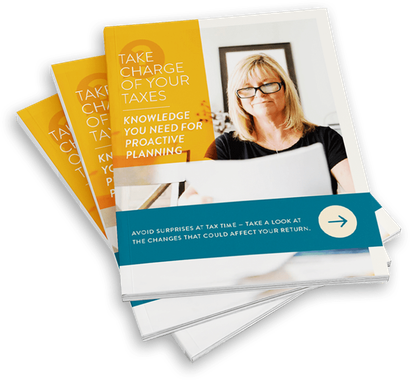
Take Care of Your Taxes: Knowledge You Need for Proactive Planning
Would you like to avoid surprises at tax time?
Tax laws change every year—and this year is no different! This downloadable guide will walk you through the latest tax law changes to help you avoid any surprises. In this 12-page guide, you will find out:
- How inflation could affect your tax bill
- Why proactive planning can help give you financial confidence
- How your financial professional can coordinate with a tax professional to help you create a tax-efficient strategy